
Make Data-Driven Decisions, Not Just Gut Calls
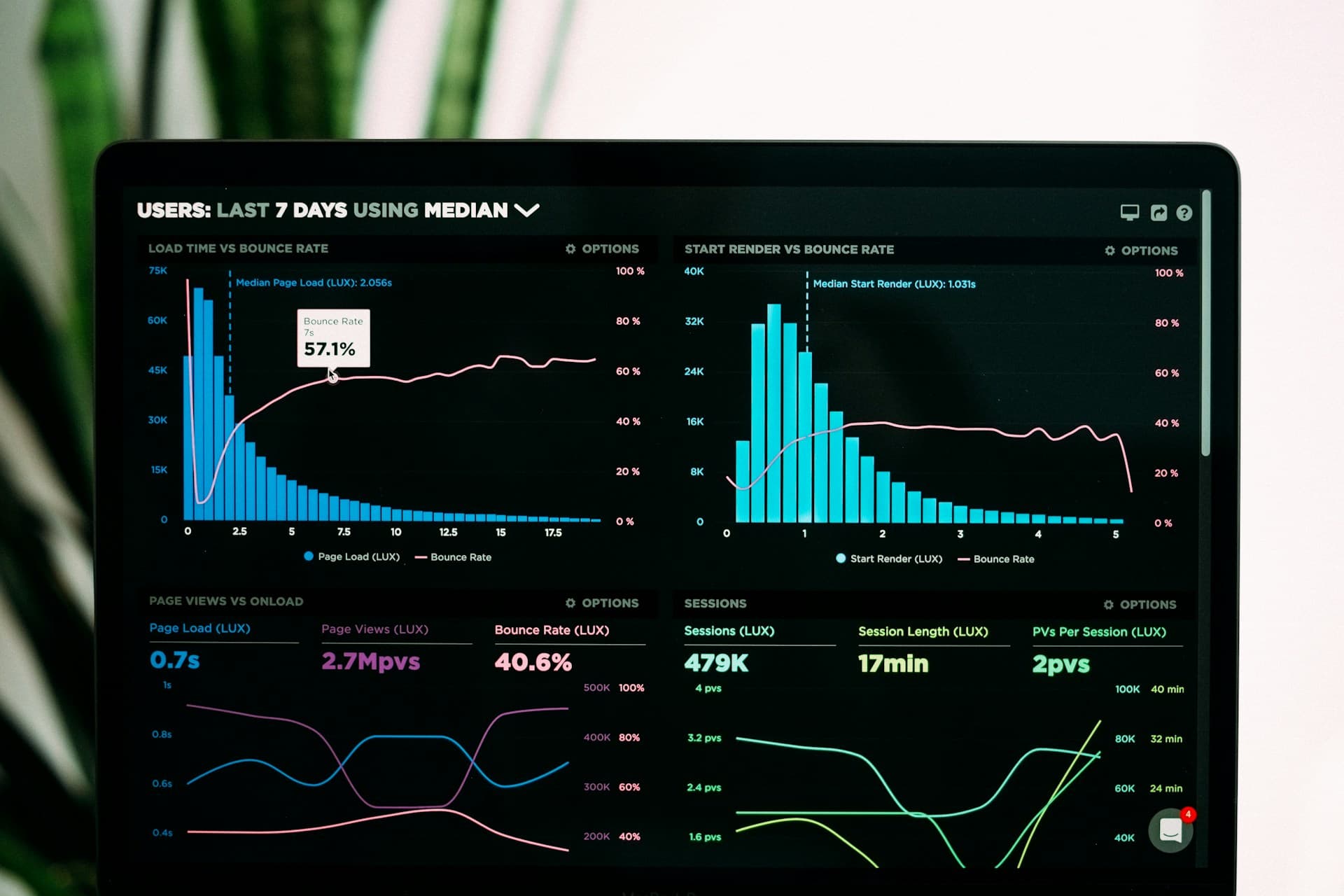
Trusting your instincts has its place, but in 2026 running a business on gut feeling alone is rarely enough. The owners who make the most consistent, confident decisions are those who back their judgement with data—real information about what customers actually do, what they buy, and what they say. Used well, data reduces guesswork and helps a small business make smarter choices with fewer expensive mistakes. The good news is that you do not need a data science team to begin. Most small businesses already sit on a wealth of information: sales records, website traffic, customer reviews, email open rates, and social media engagement. The first step is simply to pay attention to what these numbers are telling you and to review them regularly rather than only when something goes wrong. Start with a few metrics that genuinely matter to your business, and resist the urge to track everything at once. Which products sell best and which sit on the shelf? Where do your customers come from, and which channels bring the most valuable ones? How long does it take to get paid, and how many first-time buyers come back? A handful of well-chosen indicators, watched over time, reveals patterns that no single day's impression could. Customer feedback is one of the richest sources of insight. Reviews, survey responses, and even casual comments point directly to what people appreciate and what frustrates them. Reading this feedback closely—and looking for themes that repeat—often uncovers opportunities to improve a product, fix a recurring complaint, or double down on what customers already love. Data is also a powerful antidote to costly assumptions. It is easy to believe a product is popular because a few loyal customers praise it, or to keep running a marketing channel out of habit. Checking the actual numbers can confirm what is working and, just as importantly, reveal what is quietly draining time and money. Deciding what to stop is often as valuable as deciding what to start. The aim is not to remove judgement but to inform it. Numbers rarely tell the whole story, and context, experience, and knowledge of your customers still matter. The strongest decisions come from combining what the data shows with what you understand about your market—letting evidence challenge your assumptions rather than simply confirm them. Affordable tools make this easier than ever. Basic analytics dashboards, spreadsheet summaries, and the reporting built into many point-of-sale and email platforms can turn raw figures into clear visuals without any technical expertise. A unified system that keeps sales, customers, and marketing data in one place makes patterns far easier to see than information scattered across disconnected apps. Ultimately, becoming data-driven is a habit rather than a project. Set aside a regular time to review your key numbers, ask what they are telling you, and let that inform your next move. Over time, this steady discipline turns scattered information into a genuine competitive advantage. SOURCE PNC Insights — https://www.pnc.com/insights/small-business/manage-business-finances/small-business-cash-flow-management-strategies-and-solutions.html Townsquare Interactive — https://www.townsquareinteractive.com/blog/7-business-tips-for-small-businesses-in-2026/
Guides & Insights
 Guides & Business Tips
Using AI to Run Your Small Business in 2026
AI is no longer just for big companies. Here is how small businesses can use a few affordable tools to automate routine work, serve customers faster, and win back time in 2026.
Read More Guides & Business Tips
Focus on a Niche Market to Beat Bigger Rivals
Trying to please everyone leaves you memorable to no one. Learn why focusing on a clearly defined niche helps a small business build loyal customers and a defensible edge.
Read More Guides & Business Tips
Cash Flow Management for Small Businesses
Profit on paper is not the same as cash in the bank. These practical cash flow habits help small businesses pay bills on time, survive lean periods, and grow without drowning in debt.
Read More